Top Artikel
Training
26. Juli 2021
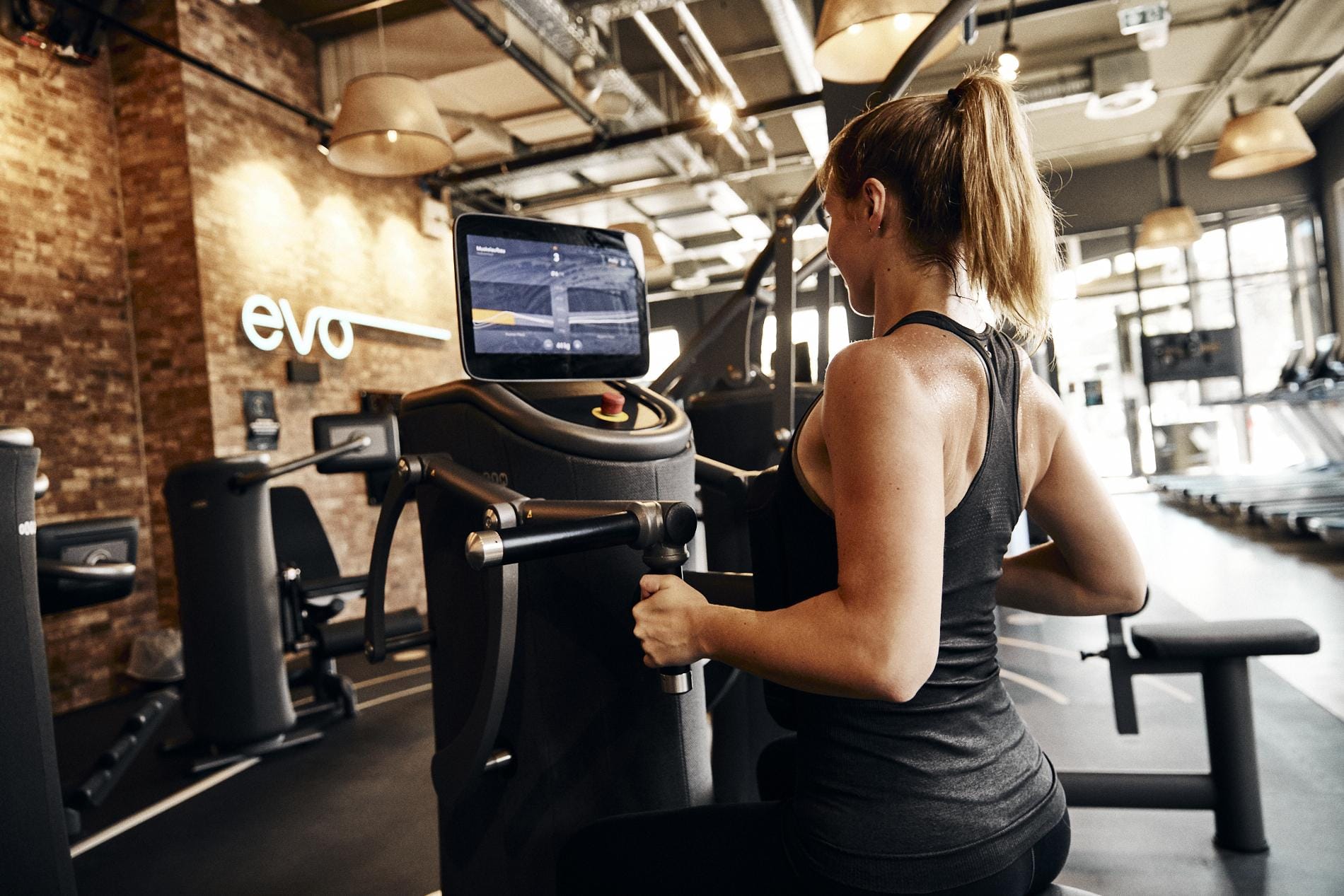
EGYM Smart Strength - This is how you train smart!
Mit unseren EGYM Smart Strength Geräten können wir dir genau das bieten: Ein einzigartiges Trainingserlebnis, das genau zu deinem Trainingslevel, deiner Erfahrung und deinen Zielen passt und auch noch Spaß macht!
Training
16. Juli 2021
Fit on vacation: How to stay motivated!
Many people associate vacation with relaxation, rest, sleeping in and enjoyment. But with a bit of personal discipline and willpower, you can still manage to do your usual workouts, albeit not with the same length and intensity.
Training
24. September 2020
5 reasons why you don't build up enough muscles
For many athletes, muscle building is the decisive reason for regular training sessions and a consistently healthy diet. Nevertheless, over time many athletes reach a point where they build up no or very little muscle.

Training
09. September 2020
How to hack your Fitness-Mindset
Sooner or later there are phases in which we lack the necessary motivation for our workout. For whatever reason you lack discipline: The good news is that there is a solution to this problem.
Training
18. Mai 2020
How can unilateral training help you in your routine?
Never heard of unilateral training? Here’s why you should’ve heard about it by now and why this type of training will improve your physical condition.
Training
12. Mai 2020
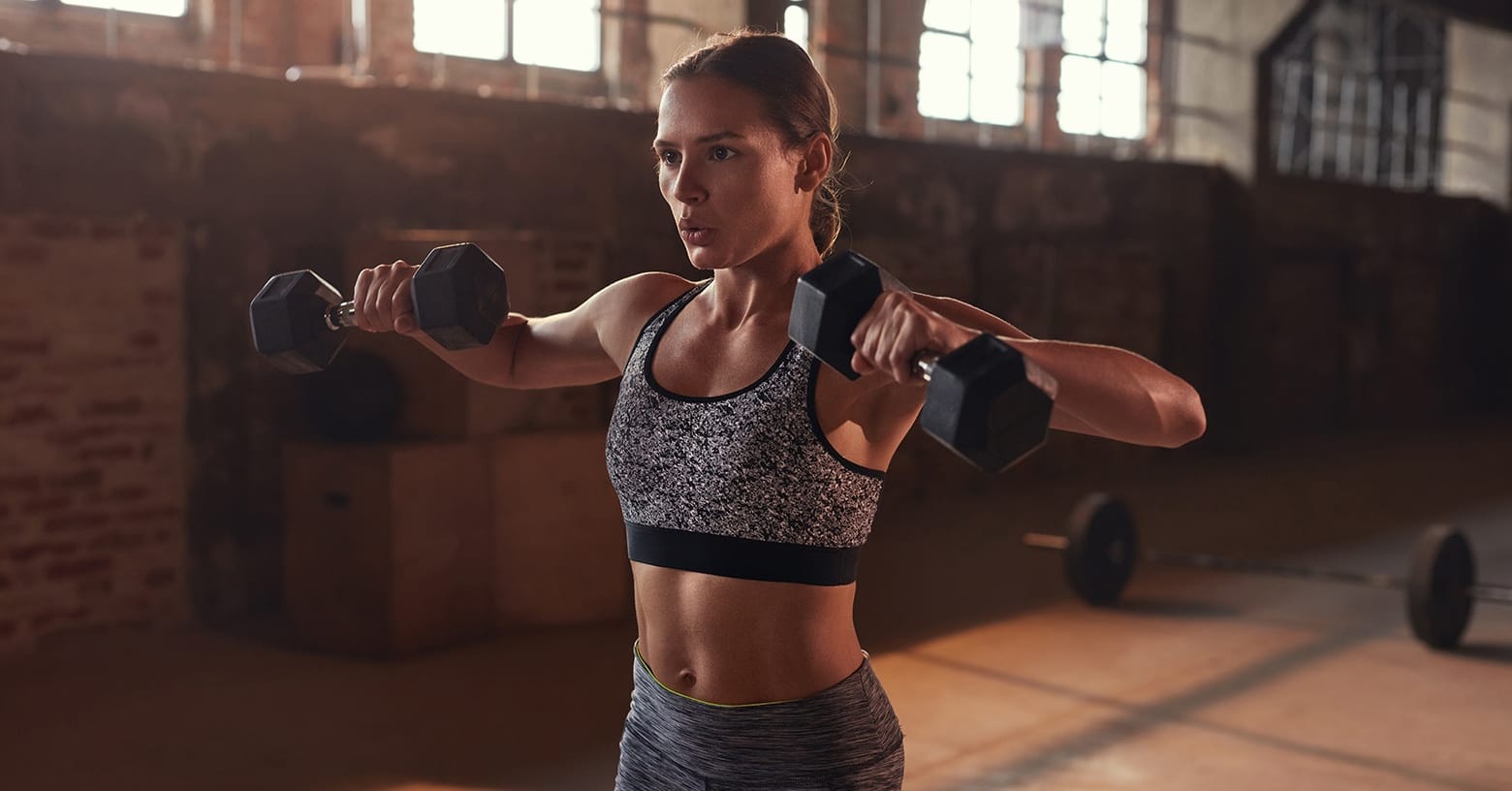
Functional shoulder exercises to improve mobility
Ever tried to get a particularly tight jumper off and felt a twinge in your shoulder? Functional shoulder exercises can help you with that.
Training
23. Dezember 2019
Tutorial: push-up on knees
Tutorial: how to perform a push-up on knees | EVO Fitness
Training
19. September 2019
3 benefits of the Woodway treadmill
The Woodway treadmill has replaced the traditional machine as a high-performance alternative. Find out what the 3 main benefits of running on a Woodway are.
Training
23. Juli 2019
4 animal-inspired exercises | EVO Fitness
Ultimate inspiration from the animal world

Training
16. Januar 2019
Ski Fitness: 6 exercises you can do at home
Die Ski-Saison beginnt…aber bist du bereit dafür? Bevor du dich ins Fitnessstudio schleppst, probiere diese sechs Übungen, die du zu Hause machen kannst und die dich im Nu fit für die Abfahrt machen.

Training
07. Dezember 2018
Losing motivation? Here are six tips for training in winter
Six tips for training in winter Staying healthy in winter is a challenge even for the most disciplined athletes. There’s less sunlight, we sleep for longer and often enjoy much more carb-centric diets. As a result, it’s both much easier to pack on the pounds and much harder to motivate yourself to move. So what can you do to make sure you don’t lose your fitness mojo? Here’s our advice. Take your workout indoors The frosty breeze and ice-coated pavements of winter can make exercising outdoors much more difficult than usual. That’s where your local EVO club can come in (even more) handy. Sign up and avoid bracing the bitter weather - and sometimes dangerous conditions - of the coldest season. With our range of equipment, classes, facilities and expert personal trainers, we’ve got everything you need to excel in functional fitness, all year round. Embrace the environment Extreme sports are winter’s frosty forte - so if you’ve got a penchant for thrills, try taking to the mountains for some skiing or snowboarding. You’ll learn new skills, have loads of fun and keep fit (the perfect trio). For a more accessible winter sport that’s likely closer to home - pop on your skates and head to your local ice rink, where you can tone up your leg muscles and improve your balance throughout the season. Make yourself accountable When you’ve only got yourself to answer for, keeping to a schedule can be tough. That’s why it’s a great idea to make an external commitment to someone or something else. Book a weekly exercise class or ask your friend or partner to get involved in your workouts: you’ll be far more likely to stick to the plans you make and will probably end up having more fun getting fit, too. Invest in winter activewear Chilly outside? No problem. Wrap up warm and revamp your winter wardrobe with some specially designed activewear. Many personal trainers recommend that you wear at least three layers of clothing: a shirt, something that’ll keep you warm (such as a fleece or woolly jumper) and a waterproof jacket. Also, make sure to protect your hands and toes with thick socks and gloves, as a lot of your body heat escapes from these areas. Embrace the lighter parts of the day If you suffer from seasonal affective disorder (SAD) - where you experience low moods in darker conditions - consider shaking up your exercise plan. Working out earlier (such as during lunchtime or in the early afternoon) will help make the most of the sun and stay on top of your health. There’s an extra plus to doing this, too: research shows that working out helps people with depression, anxiety and even those who specifically suffer from SAD feel better, as it releases endorphins which make you happier. Set a goal It’s always easier to workout when you’re working towards something, don’t you think? Sign up to an event such as a marathon or triathlon (something that’ll require lots of prep beforehand), so that you’re obliged to push through your winter funk. You could even incentivise yourself further by adding a charitable twist, getting others to sponsor you so that you’re even more inspired to give your fitness efforts your all. Feeling inspired by these training tips? There’s a lot more where that came from over on our official fitness blog.
Training
08. November 2018
Tabata vs HIIT - what are the main differences between them?
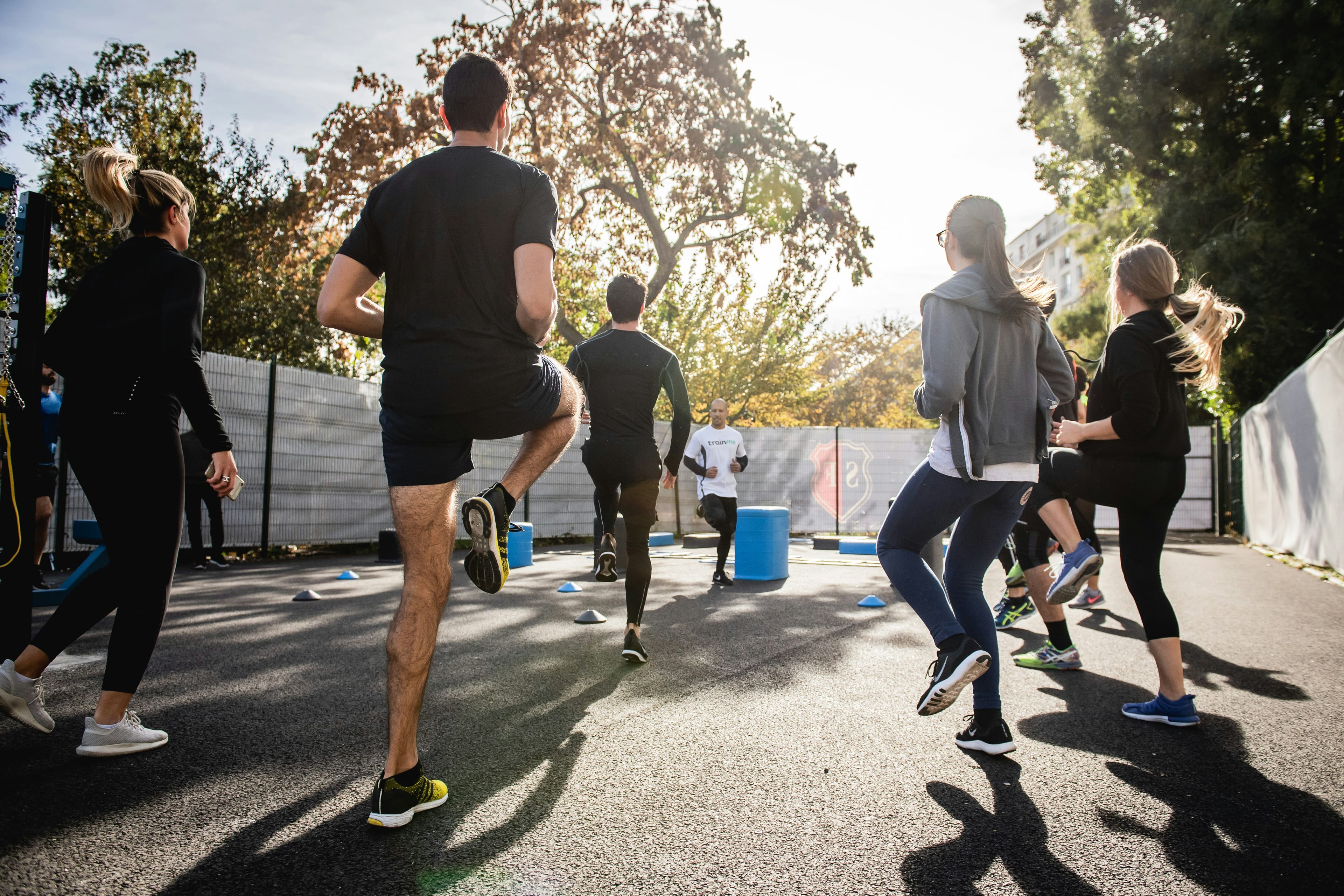
What is HIIT training? HIIT (pronounced ‘hit’) involves quick bursts of intense activity followed by short periods of rest. By pushing yourself as hard as you can - and we mean as hard you can - your body is forced to adapt to the vigorous stop-start demands that interval training provides. Most HIIT program tend to follow a 1:1 ratio of 30 seconds of exercise, 30 seconds of rest, but they can be adjusted however you deem necessary. Whatever you choose to do, though, HIIT will likely leave you panting for breath, soaked in sweat and praying for just one more second of rest. And that’s because interval training can often burn up to 30% more calories than resistance training or when running on a treadmill, making it a viable option for those looking to gain impressive results without sacrificing a huge chunk of time. What is Tabata Training? Tabata training is a form of HIIT named after the Japanese scientist Dr. Izumi Tabata, and is supposed to last for only four minutes. Before you scoff in disbelief, know that, when done correctly, you’ll be wishing Dr. Tabata’s method was only half as long. Dr. Tabata discovered the following: A group of athletes who participated in shorter, high intensity workouts over a six week period achieved great aerobic and anaerobic Endurance. Much greater than a second group of athletes, who took part in far longer workouts at a moderate intensity. Each Tabata training interval involves 20 seconds of extremely intense exercise, then 10 seconds of blissful rest. This is then repeated eight times until you begin to see stars. Which means if you’re not gasping for air and cursing under your breath during each rest period, then you’re simply not doing it right. So… what’s the difference? The main difference between Tabata training vs HIIT boils down to the time allotted for the workout and subsequent rest periods. With HIIT, you can be more flexible and inventive with your routines, adding longer workout times. Also different rest periods and more extravagant exercises that may require more time to perform. Tabata training, meanwhile, relies on the strict four-minute rule. It therefore lends itself better to exercises that are easier to perform in quick succession: E.g. press-ups, squats or kettlebell exercises. Push it to the max Whichever training method you prefer, both HIIT and Tabata training are short but punishingly hardcore workouts with proven results. Are you looking to save serious time in the gym while seriously improving your fitness at the same time? Then you’ll be hard-pressed to find a more efficient and effective way of burning fat than a heart-pounding session of HIIT or Tabata training. Like our tips? Check out the EVO blog for more.

Training
02. November 2018
Track your EVOlution with out distance test on the treadmill
It's about time to track your evolution with this distance test. This test is, perhaps, the most relevant test for everyone - regardless of how in shape one feels. With it, you can have a clear overview of your progress. As you repeat the test, you can also collect more information and have a clear view on how you're improving. Here's how to do it: Track your evolution indoors – on a treadmill We suggest you perform our indoor distance test on a treadmill and there’s a good reason behind this recommendation; over a treadmill, you have better control over the surface you run upon, and you can, for instance, increase inclination and create a slope on the treadmill. We also find that it's prudent beginning with a half or one per cent inclination throughout the test instead of adjusting the treadmill up and down along the way. It's fundamental that you have good warm up, from 10 to 20 minutes, before you begin the test. Also, make sure that you’re running for distance instead of a time-based interval. After finishing your warm up, it's advisable that you set the treadmill for the specific distance you're about to run. This way you'll be able to see its countdown, something that most people often find motivating. Another positive side of doing this test on a treadmill is how straightforward it is to control the speed on the treadmill. You do not have to wonder how fast you're going since you are the one in control of it. What information can you get from this test? This distance test gives you a concrete picture on how in shape or not you are. It also helps you identify the speed you can maintain and for how long through the challenge. The test results from the distance test should be an essential part of your basis for evaluating the quality of your workouts between each test. Distance tests show you your physical development throughout the season. They are often handy when you perform them for several years because this way you get an ever-wider and broader comparison basis. The results along the years will most definitely surprise you. Assessment of test results A distance test is not a standardised test; you use your test results as a basis for evaluating what is good or bad. The shorter the time you spend on the distance, the better you can consider your overall fitness level has become. Test Frequency If you divide your training year into different periods, it will be advisable to test before and after each period. If you do not divide your exercise routine like this, you can perform this test every sixth or eight weeks. Suitable for: anyone, any level Don’t miss out on the 5 rules to make sure your test is completely trustworthy – here. Find other exercises and tests you can try to keep your performance in check – here. Test developed by Personal Trainer Halvor Lauvstad Halvor studied at NIH and has been a product manager at SATS and general manager of Norsk Fitness. He has written a series of books about training, including "Best in Birken". Currently, he is lecturing for AFPT in Norway.
Training
31. Oktober 2018
4 exercises to develop your glutes
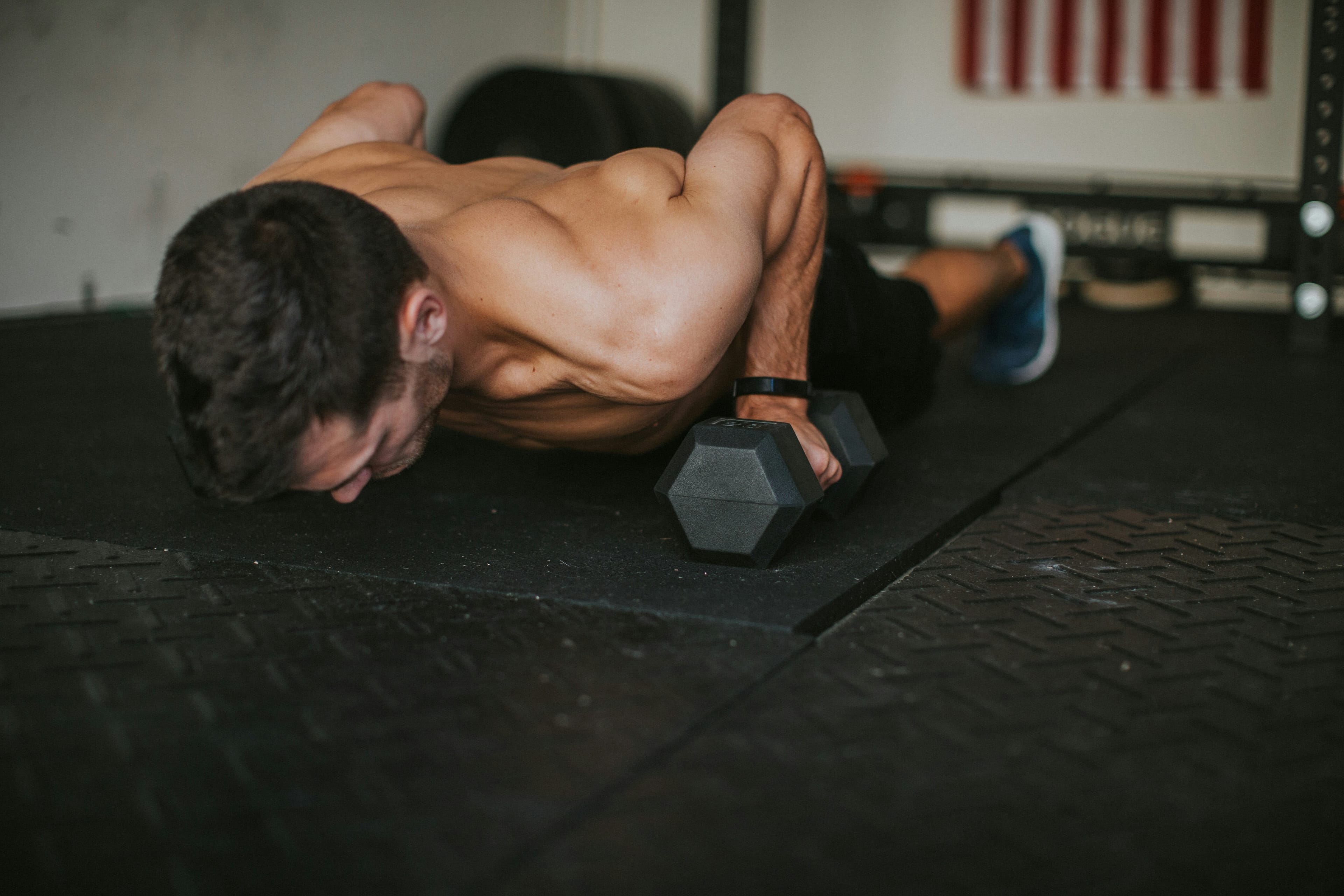
It’s not just about looking good. Your glutes are there for other reasons. Of course, looking good and having firm and shapely glutes is great and you’ll definitely look great with the right type of jeans. However, glutes are fundamental in movements like jumping and sprinting; also, they play a key role in relieving low-back pain and they are crucial to everyday movements like standing or climbing stairs. That’s why we brought you 4 good exercises for your glutes, courtesy of EVO Norway PT Frida Rommen. Dumbbell deadlift Stand with your feet little wider than shoulder-width apart Hold a dumbbell with both hands, in front you and between you thighs Back straight, keens slightly leaning forward Lean forward to bring the dumbbell down Back at the initial position That’s one rep Static Glute Bridge Hold still in the top position of glute bridge Feet should be about hip-width apart Squeeze your glutes and hold at the top Cable Squat Stand in front of the machine with a straight bar or robe attached Step back so there is tension in the cable Perform the squat Repeat Barbell Hip Thrust Place your upper back on the bench with the barbell across your hips Feet planted firmly on the ground, close to your glutes Drive your hips up Engage your core and abs Hold for a count and only then return to starting position Start your journey to shaped glutes in a free trial in our Clubs.
Training
17. Oktober 2018
Ein hochintensives Zirkeltraining für mehr Kraft, Rumpfstabilität, Ausdauer und Muskelmasse
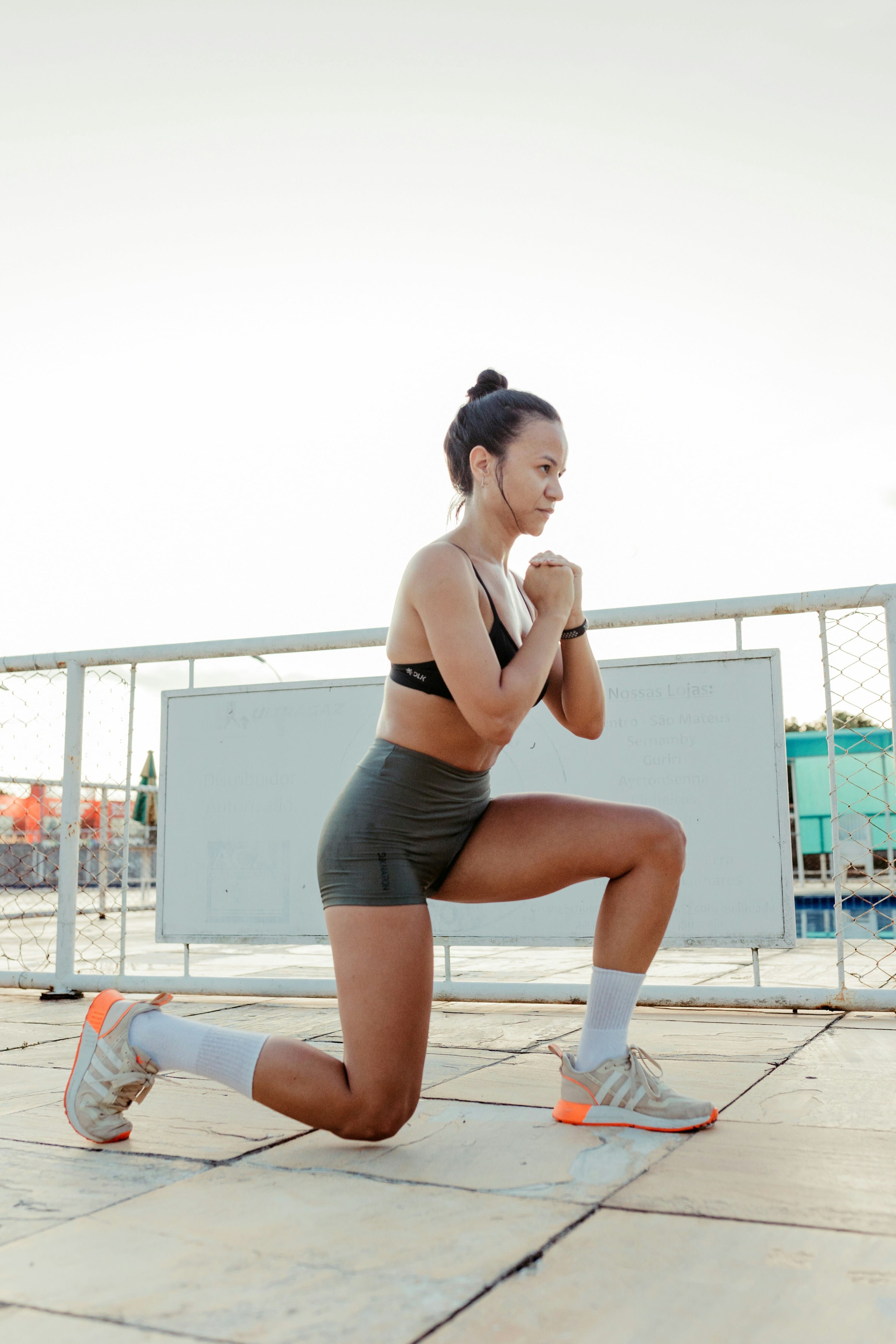
Moderat-intensives Ganzkörperworkout / Eigengewicht-Zirkeltraining / 6-12 Minuten 4 Übungen 6 Runden Ausrüstung: Reck, TrainingsmatteBESCHREIBUNGBist du bereit für ein super effektives und dennoch simples Ganzkörpertraining, das deine Kraft und dein Durchhaltevermögen auf die Probe stellt? Die fantastischen 4 basieren auf fundamentalen und unkomplizierten Bewegungen. Zudem kommen sie ohne viel Zubehör aus. Außer einem Reck und einer Trainingsmatte brauchst du: Motivation und Konzentration. Und schon kannst du loslegen!Lege die Matte unters Reck und hole dir noch eine Box oder Plattform dazu (falls du Schwierigkeiten hast, an das Reck zu kommen). Damit ist dein Trainingsbereich schon fertig.Die fantastischen 4 bestehen aus 4 fortlaufenden Übungen. Das Ziel ist es, sechs Runden zu schaffen. Starte die Stoppuhr, wenn du mit der ersten Übung der ersten Runde anfängst. Stoppe sie, wenn du mit der letzten Runde durch bist. Mit jeder Runde wird es anstrengender werden: Mache also ruhig eine Pause zwischendurch, solltest du nicht mehr können. Falls du gerade erst mit hochintensivem Training anfängst, kannst du auch die alternativen Übungen machen und dich langsam an die schwereren Versionen herantasten.Versuche, jedes Mal deine Leistung zu verbessern, wenn du dieses Ganzkörperworkout machst.KLIMMZUG10 WiederholungenHänge dich mit gestreckten Armen an das Reck. Halte deine Ellbogen zusammen und ziehe deinen Brustkorb zum Reck. Ziel ist es, mit dem Kinn bis über das Reck zu kommen.Leichtere Version: Stelle dich auf eine Plyo Box und springe in den Klimmzug.[embed]https://vimeo.com/194348767/dcdb6fde1e[/embed] LIEGESTÜTZE10 WiederholungenGehe für diesen Teil des Ganzkörperworkouts in die Liegestützposition, die Hände sind unter deinen Schultern. Halte Schultern, Hüfte und Knie in einer geraden Linie und sinke langsam nach unten, indem du die Ellbogen beugst. Strecke die Arme wieder, bevor du den Boden berührst und gehe in die Anfangsposition zurück.Leichtere Version: Führe die Liegestütze auf den Knien aus.https://vimeo.com/193039660/d2a8155cef V-SIT10 WiederholungenLege dich flach mit ausgestreckten Beinen und über dem Kopf ausgestreckten Armen auf die Matte. Bringe nun in einer schnellen Bewegung Arme und Beine zusammen, sodass deine Hände deine Füße berühren und du eine V-Form bildest. Halte deinen Rücken gerade und kehre in einer langsamen und kontrollierten Bewegung wieder in die Anfangsposition zurück. Versuche dabei nicht zu wackeln.Leichtere Version: Beuge deine Beine. Positioniere deine Hände neben deinem Kopf. Bringe nun Ellbogen und Knie zusammen.https://vimeo.com/191958196/66b535b595 KNIEBEUGE10 WiederholungenStelle dich mit vor dem Körper ausgestreckten Armen gerade hin. Achte darauf, dass deine Knie eine Linie mit deinem Rumpf bilden. Halte den Rücken gerade. Sodann sinkst du mit der Hüfte nach unten. Versuche so weit herunter zu kommen, dass deine Hüfte tiefer als deine Knie ist. Die Hacken sollten dabei nicht vom Boden abheben. Gehe wieder hoch und wiederhole die Bewegung.Leichtere Version: Gehe nur so weit herunter, bis deine Oberschenkel parallel zum Boden sind.https://vimeo.com/193041551/18b70ea278Viel Spaß beim Schwitzen!Hier findest du weitere funktionelle Übungen und Ganzkörperworkouts:TRX Workout für eine bessere Haltung und einen kräftigen RückenTRX Low PullHamstring Curl
Training
27. September 2018
Calisthenics: What, how and why they should be in your workout plan
Dumbbells, barbells, weight machines and the rest. We always see images of weightlifters giving the highest of praise to such workout equipment. But many tend to overlook the purest and most important form of training of them all: calisthenics. There’s no doubt it’s become a buzzword in the world of fitness - and yet this often misunderstood term has always been around. What is calisthenics? Put simply: calisthenics is any exercise that uses your body weight for strength gains. Pumping iron isn’t the only way to get stronger - calisthenics is arguably more useful in bumping up the muscular volume while shaping your body for optimal athleticism at the same time. How does calisthenics work? Bodies weren’t designed just to move backwards and forwards. It’s the reason EVO personal trainers encourage members to eschew that one-plane-of-motion mindset and twist, rotate, push, pull, squat, jump and move side-to-side. Performing calisthenics at a slow to moderate rate requires more muscle use, in turn helping to build muscle. Train at a faster rate, and you can burn more calories than many cardio workouts, due to the high levels of muscle Engagement. Why practice calisthenics? Slimmer, fitter, stronger - the benefits of calisthenics are plentiful. Here are just a few of them: Workout anywhere Most calisthenics exercises require zero equipment. No need to wait for machines at the gym or travel to group classes to get a full-body workout - once you practice bodyweight training you can do it in your home, at the park, on the beach. Of course, there is equipment that’ll boost your calisthenic training tenfold. At EVO we have our very own playground - a dedicated space for freestyle training. Think gymnastic rings, Swedish ladders, Octagon functional frame and a textured traverse wall. Basically a bodyweight buff’s paradise. Carve your optimum physique With increased strength, calorie torching, power and endorphin euphoria comes a toned, flexible and strong body. Just look at Al Kavadlo’s physique - one of the world’s leading experts in calisthenics and bodyweight training is awe-inspiringly shredded. By working multiple muscle groups at once (for example, an explosive push-up works out the chest, arms, abs and spine), you’re training the body in a way that looks more proportionate. ‘Skipping leg day’ no longer becomes a subject of concern as unnatural bodybuilding physiques will be overturned for useful, natural and tantalisingly toned muscles. Shift your mindset Calisthenics creates total body awareness. Most exercisers are so used to repetitive workouts, but constantly switching up your routine will keep your brain switched on and prevent the dreaded fitness plateau. Muscles will grow back stronger, so in turn you seek new challenges - progress is infinite with calisthenics. Prevent injuries It’s harder to ‘overtrain’ one particular muscle group in calisthenics. As a result, injuries are less common. Those who suffer from joint pain from repetitive exercise and lifting heavy metal will find calisthenics more natural and less demanding. They’re called ‘bodyweight’ exercises for a reason - our bodies were quite literally designed to do them. Stick to the original blueprints and adapt to the environment around you and you can’t go wrong.
Training
20. September 2018
Here’s what to know about functional training in pregnancy
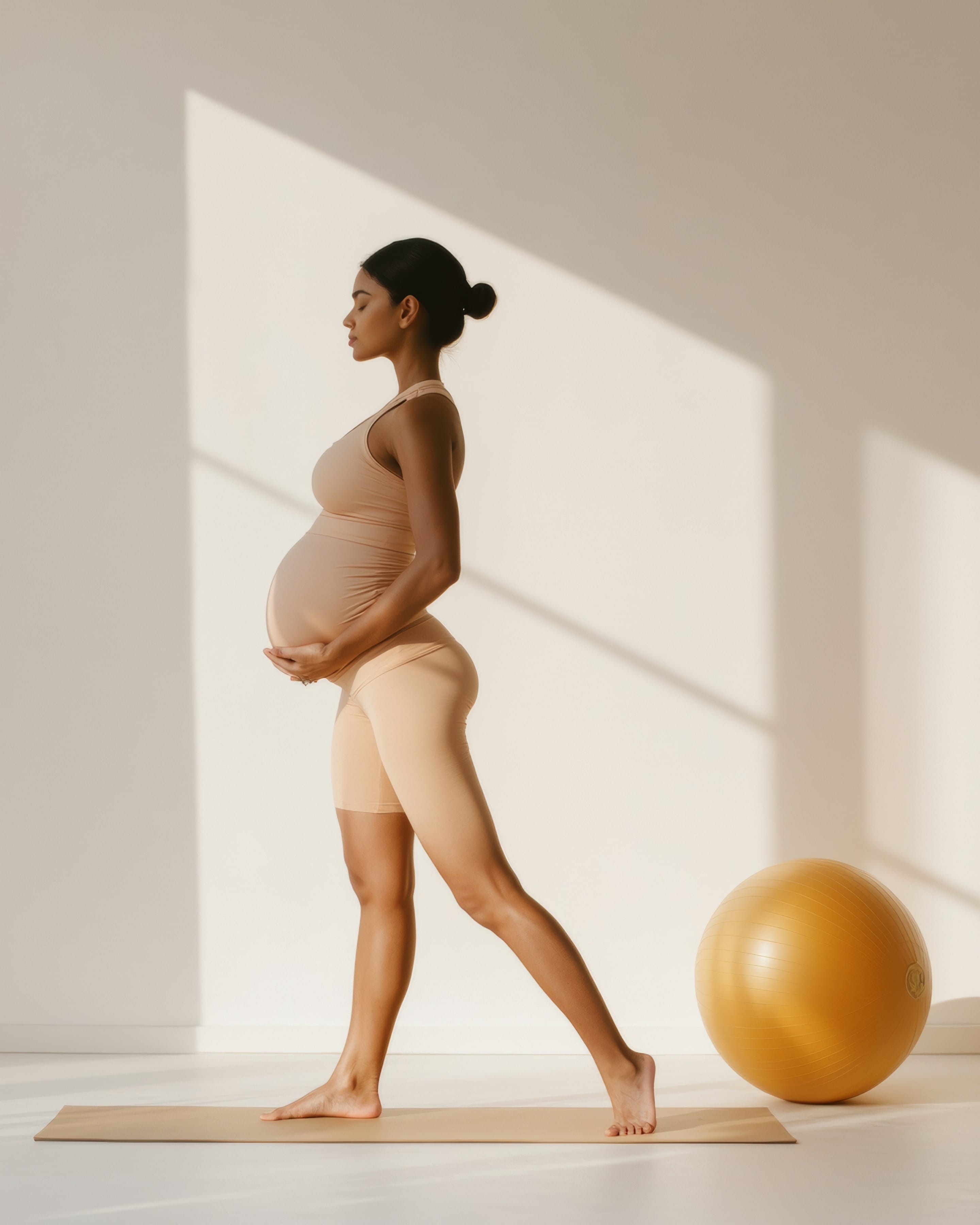
Before we start, it’s important to point out that you should always consult your doctor before beginning to exercise during pregnancy, mainly if you were not active before. There are a lot of different opinions in the fitness world out there, but primarily the recommendations will always depend on your overall fitness level, your experience and your health situation. Generally, there should be no problem in including more movement during pregnancy – actually, is quite the opposite. Experience tells us that the more exercise and natural movement involved, the easier it is to maintain a healthy pregnancy throughout and to experience a more comfortable birth. During pregnancy, the pelvic floor has to carry more and more weight, and at the same time, all muscles lose tension and become weaker by hormones that prepare the pelvic floor for birth. In most cases, the centre of gravity changes - you have weaker stability, and this leads to Lumbar hyperlordosis. Therefore stability training is of vital importance and provides excellent benefits for the body. As an EVO Personal Trainer, I guide my clients to focus on the pelvic floor, instead of just offering some exercises to keep them active. Another recommendation is that you shouldn’t focus on reps or time. I call it Pelvic floor tempo. The key to proper functional training during pregnancy is to not stretching your limit. You should keep your workout to about 70% of what would be your "normal" intensity. This is one way to find the right balance so that the exercise benefits you and especially so that it benefits the tiny life evolving inside your belly. Benefits of working out during Pregnancy: Maintains pelvic floor strength prevents back problems improves posture you stay active helps during labour get back on track faster after labour stability for the joints – they get unstable due to the Hormones Cardio Training should be aerobic and lighter, so no interval training or high-intensity training. Keep the heart-rate bellow 140. One way to track it is to make sure you can speak normally (with no breathing effort) during the entire session. So, talk a bit, test as you go and you'll be alright. For an EVO style workout, I recommend a moderate Tabata Training 40/40. It's an ok workout as long as the weather is not over 29°. Now it's time to some do's and don'ts. Dont‘s: Avoid pressure and significant stretches Don't carry heavy loads Start on something completely new to your body Don’t go above your limits Pelvic floor pressure (Deep Squat, Jumps, high weights) Abdominal pressure (Plank, Deadlifts, overhead exercise, military presses, powerbands and Tubes) Something that causes you pain Shear forces on lumbar spine / pelvic floor (lunges, side lunges, wide-lunges, side plank) No grid roller on lumbar spine or TFL Band Passive, loose, lazy Posture that may lead to problems/instability: - Inactive flat feet - Hyperextended kneed - Saggy Core - Protracted shoulders Do‘s: Easy pelvic floor training. Especially to become aware of how to engage the with pelvic floor muscles (for having an easier birth giving). Slow controlled movements Physically smart alignment Neutral joint positions Correct hip position (anterior tilt vs posterior tilt) due to belly weight anterior tilt happens so practice and do posterior tilt Get up or lay down sideways Very fit women or athletes have problems consciously relaxing the pelvic floor so they need to practice this regularly Active Posture to Prevent Problems: - Improve feet activity - Slightly flex of the knees - Little activation on the pelvic floor and belly button towards the baby - Create length in Spine - Bring thorax upright Short pregnancy safe workout 1. 2 minute - side reach https://vimeo.com/194312544/298898d327 2. 2 minute - KST Low Pull https://vimeo.com/193846223/b24527cab5 Repeat 1 and 2 3. 2 minute - Hip mobility but spine stretch and heart opener https://vimeo.com/194029333/6dc0123832 4. 2 minute - Kinesis chest press https://vimeo.com/194014758/069c6d11f9 Repeat 3 and 4 Nathalie Vitakova is a personal trainer at EVO Le Flair in Dusseldorf Personal Training // Coaching // Athletik-Training // Yoga
Training
31. August 2018
Perfect running technique - 3 simple tips you need
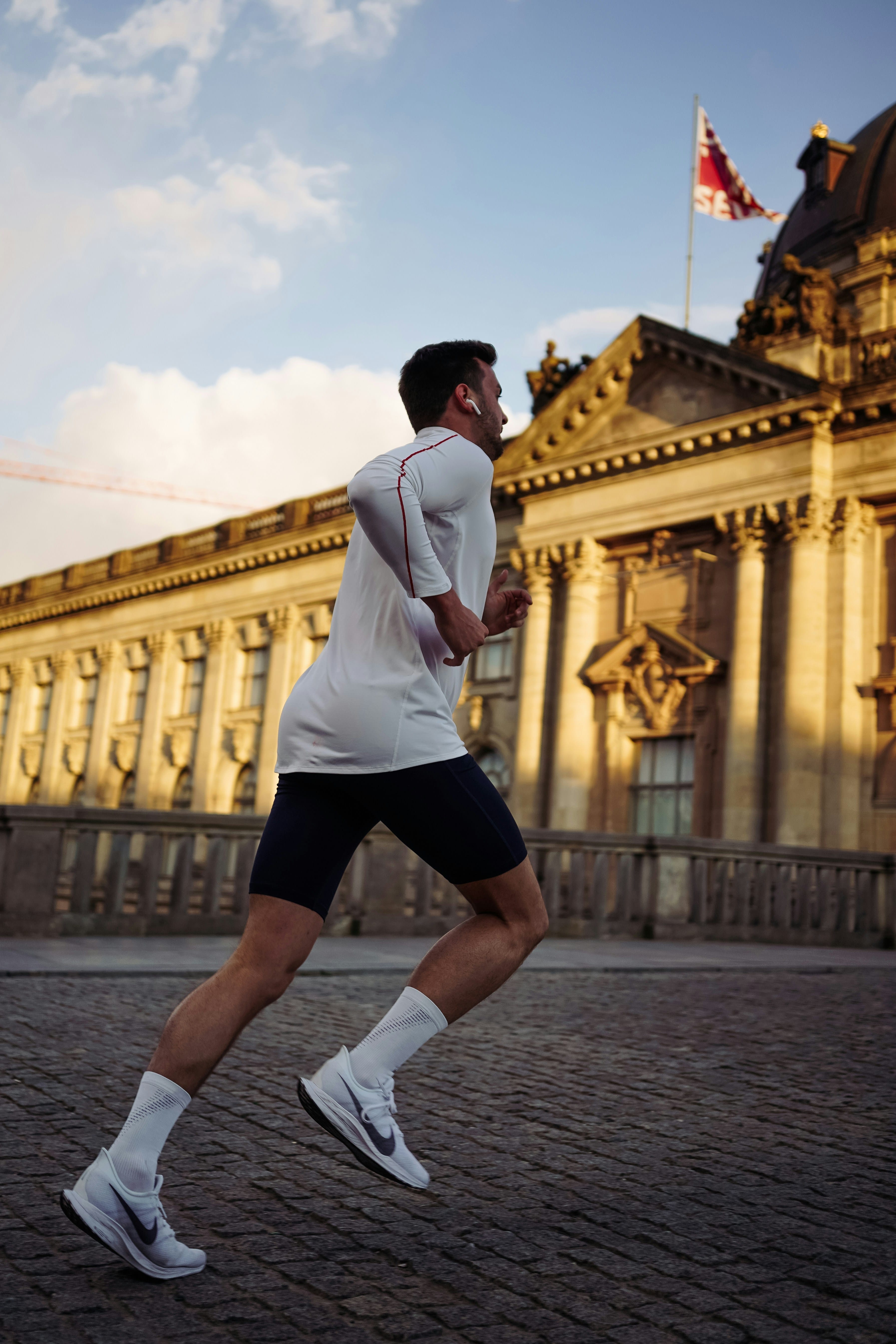
Is there such a thing as a good and a bad running technique? Yes, definitely, but it's not always easy to spot. A good running technique can be defined as a way of running, which gives the highest possible speed with the least use of energy and effort. Here you'll find 3 simple technical tips and checkpoints that are relevant to those who run and wish to run even better. 1 Do not brake - power-up! How the foot hits the ground relative to the hip has a lot to say for how fast you can create motion and power forwards in the next run. If the foot is placed in front of the hip, you will in practice slow the body and "new speed" (acceleration) will not be created until the foot has passed the hip, this causes you to use a lot of effort to literally slow your speed. So you'll spend a lot of effort on achieving the same speed again in each step. In addition to the fact that this is a waste of effort, you also spend a more extended period on each step because of this. Try to hit the ground with your foot just in front or under your hip, driving the body in the right direction, as always, with the least waste of force. You can try to increase the stepping rate as you run. Increased frequency means slightly shorter steps but also leads to less braking. 2 Hip up and forth! You should preferably not sink into the hip joint ("sit") while running. If you are able to get your hip up and forward (stretch hip), you automatically use less time. If your hip sinks to the side every time you hit the ground, you definitely need longer to move your body weight forward - in each step - than you would if you get your hip more comfortable. A trick that makes it easier to avoid this is the hip technique: it is to move your arms up and forth so that you get a rotation that leads your hip forward. A strong core muscular (stomach and lumbar spine) helps you to keep your hip position without waving to the side. Running in reverse is a good way to practice this. Try to lean forward while at the same time pulling your feet forward. 3 The arms compensate for rotation Stability. One of the key factors for running efficiently is to avoid waste of effort. Running is about making your body the fastest possible moving forward. Rotation and lateral motion will be factors of failure. When the "opposite" arm and leg (e.g. right arm and left leg) are advanced, it counteracts rotation in the upper body, so that the movements can take you as far as possible. An easy test: Put on your pants with pockets. Place your hands in your pockets and run, then you soon know that your body rotates sideways. You'll probably also struggle to keep the balance, at least if you run fast. The arms give you stability if used right. They will "offset" the body's rotation so you can run steadily. The greater the speed you have, the greater the need for stabilising arms, just look at the sprinter's arm movement compared to those of a marathon runner; The sprinter brings the arms higher up and forward and farther back due to high speed and forces that pull towards the sides. The long-distance runner has lower speed and thus "smaller" arm movements. You can exercise on good core stability by taking the arm motion to go from having your hands almost touching your chin all then swinging all the way to your back as you run. If you are running slowly you will hardly notice the stabilising effect the arms have on your body, so run at a little faster to make sure you see the difference. You do not want to run while excessively contracting the core muscles. You can evaluate your technique by filming yourself and find out how the arms should work to make you run smoothly with your running style. Are you running technically? If you record your running, you can easily check and assess your skills. Watch yourself in slow motion and evaluate the following points: Do you tend front or back hip? How are the synopses when you land? Stretched up and forth in the kick out? Do you rotate a lot in your upper body while running? Is the core strength sufficient to compensate for the rotation? Are you looking forward or down? Take these tips and EVOlve in your next run. Don't forget to share and comment on Facebook and Instagram. Personal Trainer Halvor Lauvstad Halvor studied at NIH and has been a product manager at SATS and general manager of Norsk Fitness. He has written a series of books about training, including "Best in Birken". Currently, he is lecturing for AFPT in Norway.
Training
09. August 2018
Running in the summer: is morning, afternoon or night best?
With bright blue skies above and flowers blooming all around, summer’s by far the most beautiful time to go running. But when is the best time of the irresistibly sunny day to take to the trail? According to a study from the Journal of Strength and Conditioning Research, the best time to run is when your body temperature is at its highest and your muscles at their most limber, which is during mid to late afternoon. Alternatively, in the morning, your body temperature is at its lowest and your muscles their stiffest - equalling less effective runs that might even lead to injury. Question answered. Or is it? As with most things body-related, the answer isn’t quite that simple. In truth, there are benefits to running at whichever time you prefer - here are just a few. Running in the morning Finding it hard to function at work during those hot summer days? Try a pre-9am run. Exercise helps you to feel more energetic and positive by releasing adrenaline and endorphins (the ‘happy’ chemicals) contributing to increased productivity in the office. If you’re trying to lose weight, running at this time could be beneficial, too. Your body burns calories faster on an empty stomach, so squeezing in a quick sprint before breakfast bodes well for slimming down. Although you’ll need to be extra careful to stretch before a morning run, it can be safer to sprint at dawn in terms of the environment. Mornings are the coolest part of day, so you’re less likely to overheat as you dart around the park - a particular perk in the summer. Running in the afternoon You’re in the best possible condition to run during the afternoon. Your body reaches peak performance between the hours of 4pm and 7pm, as its temperature is at its highest and your muscles are naturally more relaxed and flexible, having been in use for the better part of the day. Because of this, running should feel easier, and you should be able to go faster for longer. According to a study listed on the National Institutes of Health, your lungs function 6% better in the afternoon than at different times during the day - which, along with your body temperature and limber muscles, helps to increase your stamina and ability to run for larger stretches. Who’d have thought? Running in the evening As your body temperature is still high in the evening, you’ll have many of the benefits of afternoon running at this time - along with added focus. According to an article in The Australian, as the day gets darker, your senses become heightened and you rely less on your sight and more on your proprioceptive (sensory) skills. These help you to react more reflexively to adversities such as potholes while you run, which could help you avoid injury. Hormones important for energy metabolism, such as cortisol and thyrotropin, are at their highest in the evening, contributing to an even more effective workout. Ultimately, it’s up to you While it makes sense to start running in the afternoon or evening if these times fit your schedule, don’t force it. What’s important is that your run works for you. The true secret to fitness success lies in consistency, so as long as you’re dedicated to your run slot - be it morning, noon or night - your body will learn to adapt. Just lace up and go. In the EVO clubs you can easily run daily from 6am to 11pm. Try it!
Training
17. Juli 2018
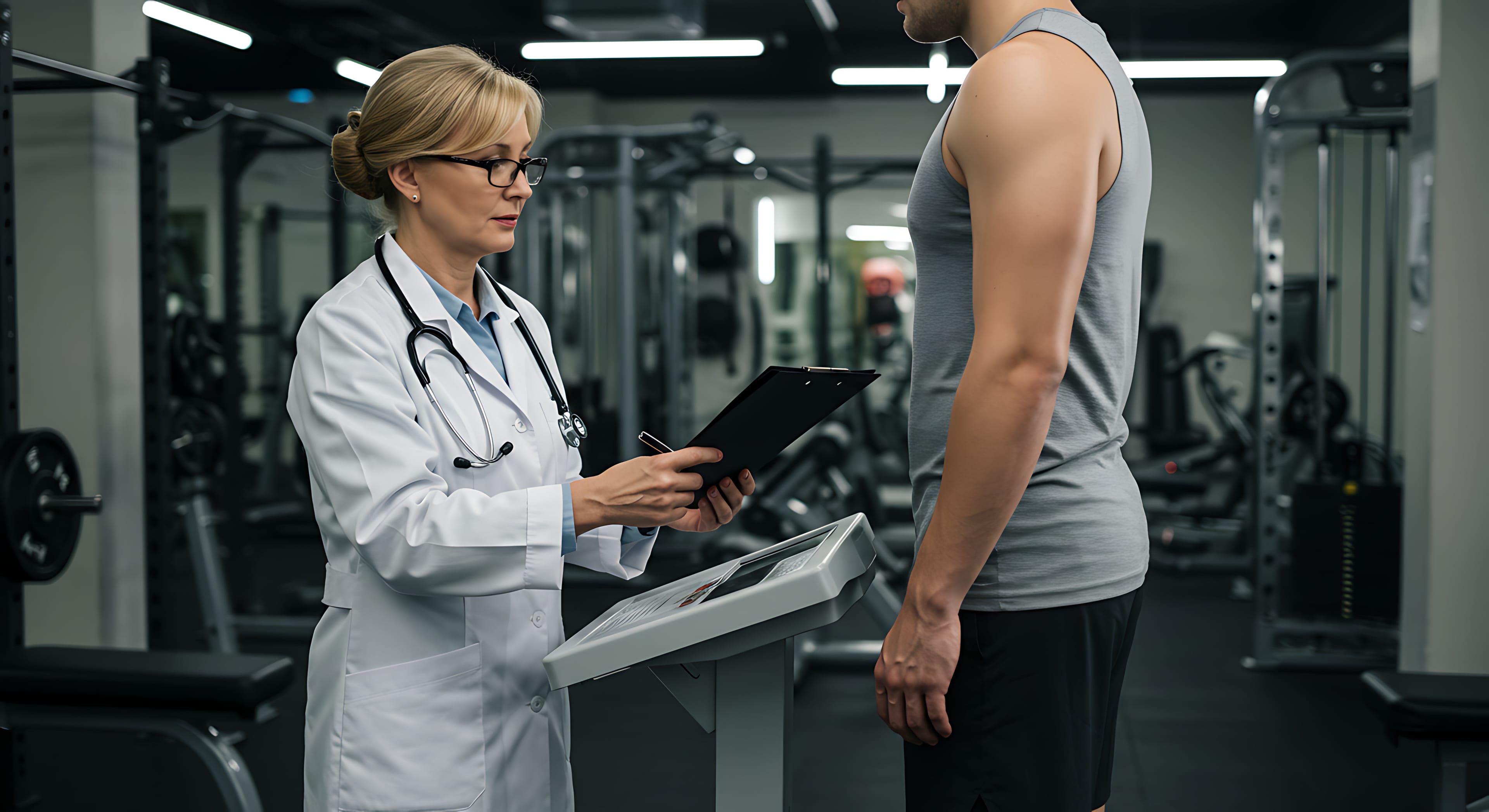
What is BMR and how can it help you lose or gain weight?
Staying alive burns calories. Even when you think you’re not doing all that much, you’re a breathing, blinking, blood-pumping, cell-growing, muscle-contracting machine. All of these functions that your body needs to sustain itself require energy in the form of calories - and the amount of calories needed for this is known as your basal metabolic rate, or BMR. What is BMR? Put simply, if you were to (hypothetically) rest in bed for the entire day, your BMR would be the amount of calories burned to perform your body’s basic (basal) functions. The higher your BMR, the more calories you burn - simply by being alive. How can I calculate my BMR? There are a few strategies you can use to work out your BMR. For the most accurate results, you’d need to get it measured in a laboratory under restrictive conditions. Experts measure carbon dioxide and oxygen after you’ve fasted for 12 hours and had an eight-hour sleep. But there are other methods. By using a scientific equation, you can achieve a rough estimation of your BMR that’s still just as useful. The best is the Mifflin-St.Jeor method. Find the online BMR calculator here, which uses this equation: For men: BMR = 10 x weight (kg) + 6.25 x height (cm) – 5 x age (years) + 5 For women: BMR = 10 x weight (kg) + 6.25 x height (cm) – 5 x age (years) – 161 Can I use BMR for weight loss? The fact BMR is basically your metabolism means it plays a very important role when it comes to weight loss and weight gain. It’s your most basic calorie burn. Those with higher BMRs are the kind of people who can eat an insane amount of food and never gain weight. Obviously they’re at a genetic advantage, but there are plenty of ways you can work towards a higher metabolism and BMR. How can I increase my BMR? Everyone’s BMR is different. Your age, gender, size, height, weight, mass and even the size of your internal organs (larger organs need more fuel) play a part in determining your number. There’s not much you can do to control your genetics, but you can influence your body composition with a few simple changes: Build muscle The best way to increase your BMR is to build muscle. Lean muscle mass torches more calories than fat and pumps up your metabolism. Functional training will help you build muscle more than regular workouts; the latter can be limited in terms of movements. Don’t cut calories Another way to increase your basal metabolic rate is to eat the right amount of calories. That means no semi-starved states and the low BMR that comes with it. Men need to be eating around 2,500 calories and women need to eat 2,000 calories daily, according to the NHS. Munch on BMR-boosting foods such as hot peppers, green tea, broccoli, spices, citrus fruits and cacao. Minimise stress Stress is another huge contributor to a low metabolism. A heightened rush of cortisol (the stress hormone) will send your body into “fight or flight” mode. As a result, less blood will be sent to the digestive system in order to deal with whatever threat the body is responding to.