Top Artikel

Lifestyle
05. Dezember 2016
Top Christmas Gifts For Fitness Enthusiasts
Fitness trackers Fitness trackers can be great, yet simple Christmas gifts. While high tech fitness trackers may have their place, we often forget about the simplest and most useful of measurements – the step. Your step count is probably the easiest and most useful unit of movement, and when used in the right way, can be highly motivational. Research suggests that early humans walked on average, a minimum of 5 miles per day, and it was this simple movement that was an important contributor to a faster metabolism, better circulation, greater mobility and stronger bones and muscles. For an average adult, 5 miles equates to approximately 10000 steps, which is the pre-set target on many fitness trackers. A Christmas gift for simple tracking with a 1-year battery life, check out Garmin Vivofit 3; or for a minimal design, check out Misfit Shine 2. Wireless earbuds Listening to music during your workouts can be highly motivational. Unfortunately, trailing headphone cables can often limit and even prevent safe execution of quick, high intensity and functional exercises. In addition, over the ear headphones can slip, get knocked, and may simply be too uncomfortable for longer workouts. Enter the wireless earbud – the perfect workout companion! These in-ear headphones can quickly pair with your phone or smart watch, giving you a hassle- and wire-free experience. Check out this potential Christmas gift: Jaybird X2/X3 Wireless Buds, which offer sweat-proof, adjustable ear buds with super sound quality. Slackline Slacklining is fast becoming a fun and challenging fitness activity. According to Wikipedia, “Slacklining refers to the act of walking or balancing along a suspended length of flat webbing that is tensioned between two anchors”. The fitness benefits of slacklining include improved balance, posture, concentration and enhanced core stability and muscular endurance. Check out the Gibbon Slackline sets, which can be mounted between two anchor points, or the Gibbon Slackrack frame, which is a rack-mounted indoor version. Self-massage tools Exercise duration, frequency, intensity and diversity must be balanced with effective recovery strategies to ensure we get the most out of each workout. Flexibility and mobility exercises can go some way to off-set the demands of training, but often muscles can become chronically tight, leading to impaired movement and the development of trigger points. A trigger point is a tender area in a muscle that causes pain when stimulated. Fortunately, through regular self-massage, trigger points can be deactivated, often with immediate improvements in movement ability. Check out the TriggerPoint Therapy Foundation Collection, which contains four tools and a self-help guide to get you started. Kettlebells Finally, in our list of Christmas gifts is the humble kettlebell. Out of all the free weights, the kettlebell is probably the most versatile. Strength, endurance, speed, power, flexibility – you name it, it can be done with a kettlebell! What’s more, a pair (or two) of kettlebells takes up very little room, and are highly portable. Additional benefits of kettlebell training include increased wrist strength and enhanced joint stability – both of which can positively influence your ability to lift more in other forms of training. Check out Rogue kettlebells, which offer good grip, balanced feel and a great look at an affordable price. Have fun shopping for Christmas gifts!

Health
27. November 2016
Breathing Techniques To Enhance Fitness And Health
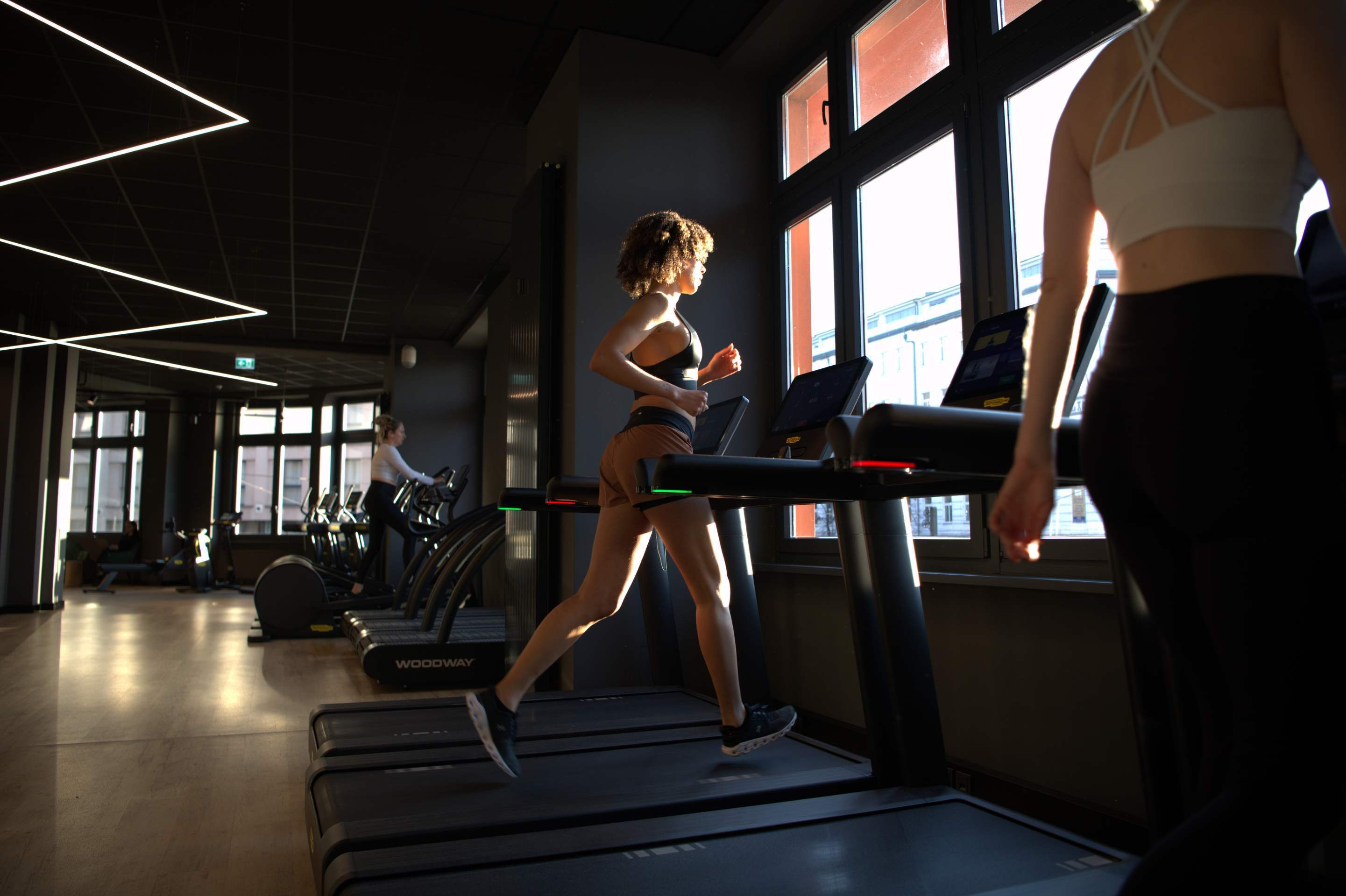
Breathing Techniques While Exercising Strength Training When lifting weights or doing other resistance exercises, exhale during the difficult part of the exercise. For the most part, this will be during the lifting or pushing phase of the movement. When you exhale, your core tightens, giving you more stability and strength to power through the movement and to reduce your risk of injury. Inhale as you slowly release back to start, taking care to keep your core engaged. Cardio When you are performing aerobic exercises, like running, try to time your breathing to the cadence of your movements, in this case, your steps. For example, breathe in for two steps and then out for two. By keeping your breath in rhythm, your bringing a steady flow of oxygen to your muscles to give them the strength to keep going. At an easy pace, you should be able to breathe through your nose, which has the added benefit of filtering and warming the air before it reaches your lungs. However, at more strenuous levels of exertion, it is typically easier to breathe through your mouth to get maximum oxygen intake. Stretching During stretching, your goal is to extend and elongate your muscles, so do the same with your breathing. Focus on breathing in deeply and letting the exhale follow naturally. With this healthy breathing technique, you slow your body down, which helps your muscles to relax. This allows you to get deeper stretches and helps to reduce your risk of strain from overstretching. Keep your breathing slow and steady throughout your stretching routine. Recovery Your body needs to recover in between exercise sets, so practice this healthy breathing technique to get your muscles ready for their next challenge: Instead of breathing into your chest, focus on expanding your belly instead. By using your diaphragm to stretch your lungs, you body is able to take in more oxygen than if you were breathing normally. This helps to bring that oxygen to your muscles so that they can recover faster and you can get back to your workout. Throughout the Day At Your Desk In today's modern world of technology, more people than ever spend the bulk of their days hunched over a keyboard at their desks. On top of that, the fast pace of the business world leaves many workers stressed out throughout the day. Try to take short breaks from working about every hour to practice healthy breathing. If you have a private office or don't mind strange looks from your coworkers, lie on the floor with your legs up the wall and perform the diaphragm breathing technique from the recovery section, above. If lying on the floor isn't an option, you can stay at your desk, but make sure that you sit up straight, pull your shoulders back and elongate your neck. Before Bed If you often have difficulty falling asleep, this healthy breathing technique may help you to relax more quickly. Start by inhaling through your nose as you count to four. Then, hold your breath and count to seven. Finally, exhale through your mouth as you count to eight. Repeat the cycle for four total breaths. Holding your breath gives your body the chance to absorb the maximum amount of oxygen, which contributes to relaxation.
Health
20. September 2016
Top 5 Benefits of Exercise For Your Brain
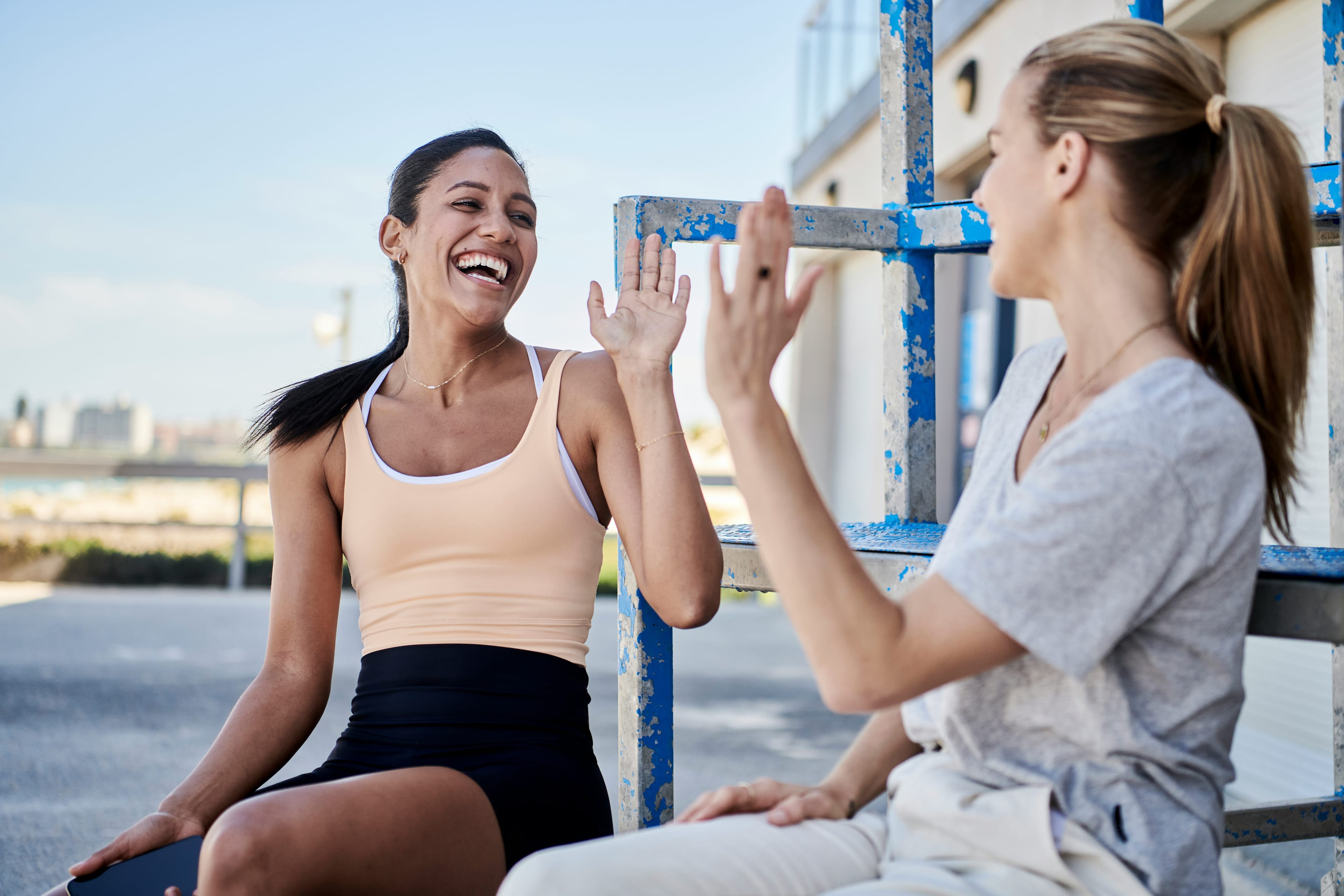
Improves Memory When you exercise, blood flow increases throughout your body, including to your brain. Over time, this increased blood flow leads to the growth of new blood vessels in your brain. These blood vessels can then carry more oxygen where you need it, resulting in improved brain function. Another one of the benefits of exercise, found in a study by the National Cheng Kung University in Taiwan, is that exercise stimulates the release of growth factors into your brain cells to help them replicate and regenerate, which can help to stave off neurodegenerative conditions like dementia and Alzheimer's. Reduces Stress and Improves Moods During exercise, endorphins are released into your brain and nervous system. These feel-good neurotransmitters have a similar effect to opiates or antidepressants, causing you to feel happy and content. They even have "therapeutic and preventative effects on depression," according to a study conducted by the University of California, Irvine. This positive feeling stays with you for hours after you have finished exercising as the endorphins work their way throughout your body. This can help to improve your response to stress as well, leading you to react more calmly to problems, rather than immediately jumping into tense mode. It can also contribute to personal relationships, as you will be less likely to spring to anger and will be a more agreeable person to be around. Increases Sleep Efficiency Another one of the benefits of exercise for your brain is that it helps you sleep better at night. Not only have you utilized more of your body's daily storage of energy, but you also have all those feel-good neurotransmitters flowing through your body and reducing stress, which keeps many people up at night. Getting more and better sleep also helps your brain during the day. When you're fully rested, your brain is able to function at its optimal level, resulting in better concentration and focus while you're working. Improves Coordination Improved coordination is one of the benefits of exercise affecting both your body and brain. As you perform exercises that challenge your body, your brain must contribute to control your movements. This effect is compounded when performing complex, full-body movements in rapid succession, like in a kickboxing class or circuit training, as your brain must constantly make adjustments to move your limbs correctly. You'll notice this effect in your daily life, as you'll feel more comfortable and confident in your movements as you complete activities, which helps to prevent injury as well. Improves Focus According to Wendy A. Suzuki, a neural science and psychology professor at New York University, her research lab demonstrated that regular exercise can improve your ability to focus and to shift that focus between tasks quickly and efficiently. This is one of the benefits of exercise that you can see the effects of right away, even if you only exercise casually. With the increased blood flow to your brain, you'll notice heightened levels of attention and much greater ease in concentrating on the task at hand. So what are you waiting for? With all of these exciting benefits of exercise for your brain, there's no reason for you to delay getting into shape both physically and mentally. Head over to EVO to get a workout in today and start reaping the benefits. Your body and brain will thank you!
Training
08. September 2016
How Can I Improve My Running?
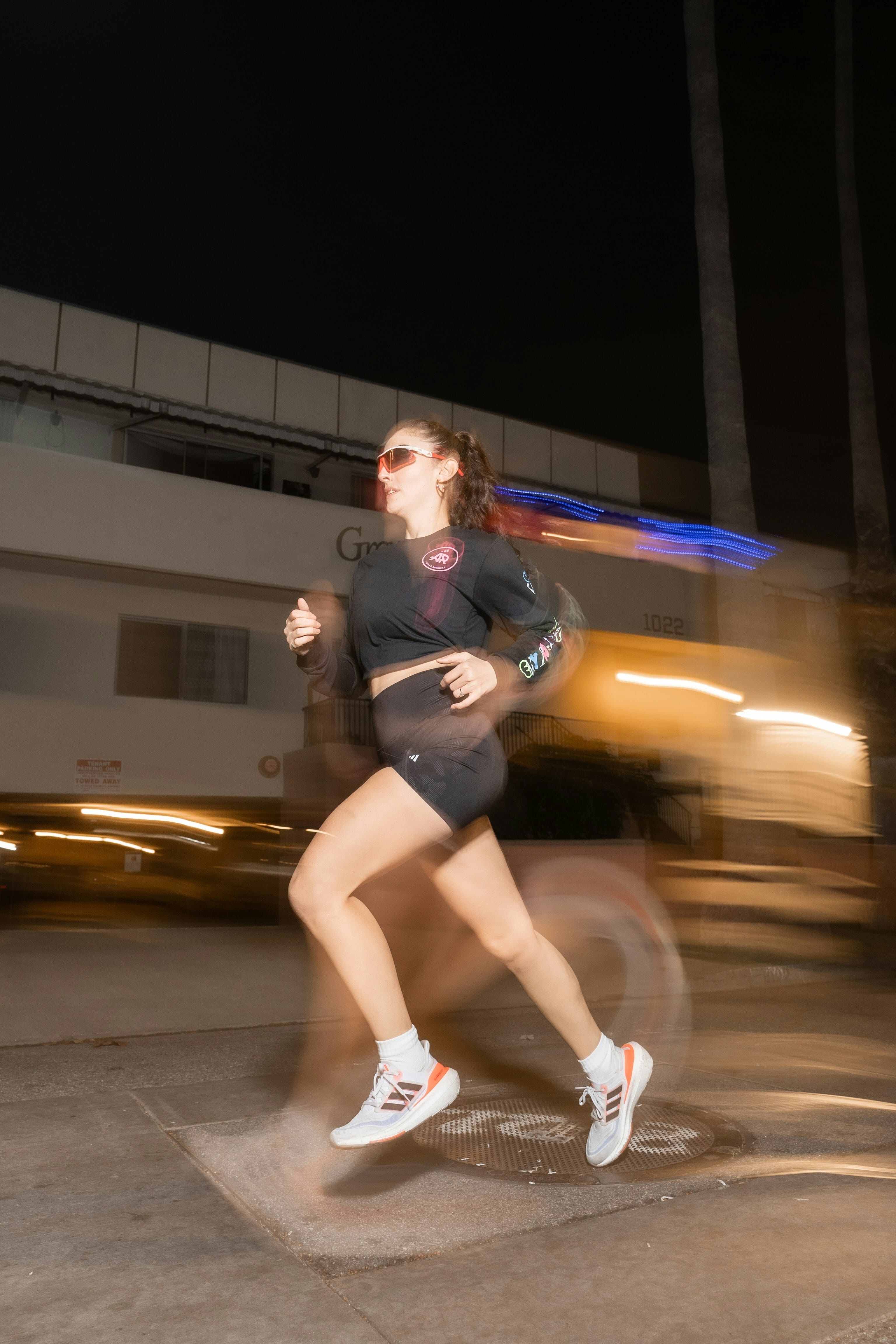
Do I need to be really fit to run? In order to answer this question, it’s important to understand that running is a skill that we learned as young children, but have since forgotten as adults. Therefore, when trying to improve running, it’s important to first teach the skills of good posture, optimum cadence, and adequate relaxation. As these skills improve, muscular strength, endurance and cardiovascular fitness will also improve. Interestingly, many fit individuals will still have to improve their cardiovascular fitness in order to run with good technique. So what do I need to focus on first? As with almost every upright movement, running begins from the ground up. This means that having strong, mobile and elastic feet and ankles is the most important asset to improving running technique. Unfortunately, modern footwear and prolonged seated postures has largely resulted in weak, immobile and inelastic feet. Therefore, it’s important to restore function to the feet/ankles first – then develop good posture, cadence and relaxation. With that in mind, is footwear important? Absolutely! The best footwear is that which closely resembles the structure and function of a healthy foot – flexible with a wide toe-box, has good ground-feel (thin sole) and is flat (no heel) – these are called barefoot shoes. However, if your feet are not strong, elastic and mobile, and you have poor running technique - you can increase your risk of injury by running in a barefoot shoe. For the majority of individuals who want to improve their running, use of a minimal shoe (some cushioning but not much) will be a good starting point, alongside technique coaching. What about going barefoot – will that improve my running? In modern society, running barefoot is not always viable (or socially acceptable), due to adverse environmental conditions. Therefore, use of a suitable barefoot or minimal shoe will offer a safer alternative. However, the value of barefoot conditioning cannot be overstated, and for this reason, all of our running technique specialists will use barefoot training as part of a running technique program. As a general tip, the more time you spend standing and moving in bare feet, the stronger your feet will become! What is EVO’s position? At EVO, we consider running to be a fundamental movement skill that all humans should master. As small children, we ran skillfully. As adults, many have lost this ability. However, through proper barefoot conditioning and technique training, we can restore optimal structure and function from the ground up, which can positively impact not only running, but all movement. If you are serious about improving your running technique, contact an EVO running technique specialist, who will guide you through foot/ankle exercises, instruct you in proper running technique, and provide a progressive plan of improvement.
Training
11. August 2016
Tutorial: How To Do A Handstand The EVO Way
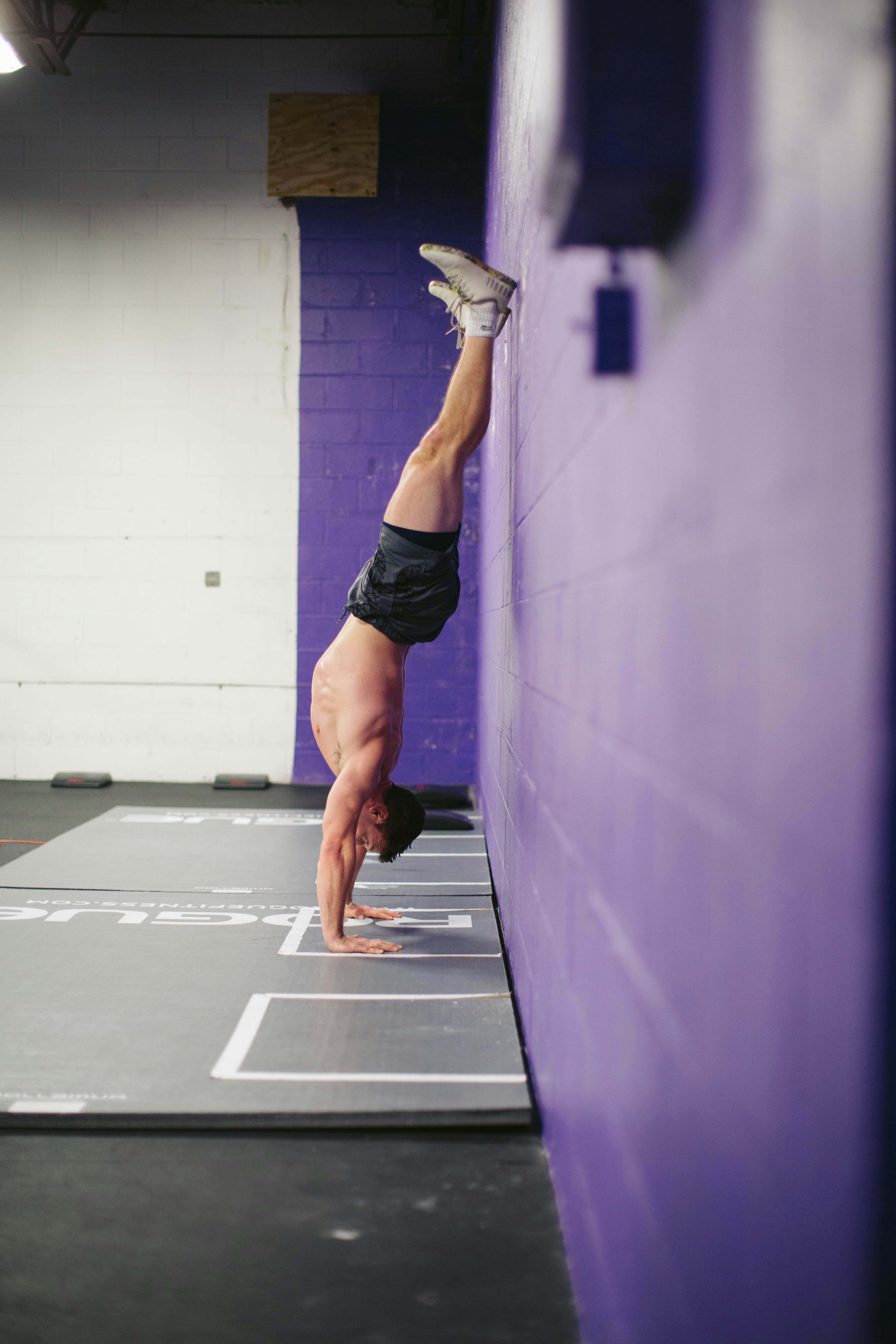
When learning to perform a handstand for the first time, taking the time to build a level of strength and stability, before adding balance, will go a long way to mastering a consistent handstand hold. So whether you’re after the challenge of a new bodyweight skill, want to build huge levels of upper body strength, or simply wish to have more kudos with your friends and family – follow our 4 simple steps below. Step 1 – body tension In a handstand, adequate body tension is essential for balance, and is required from the hands right through to the feet. Because the arms will naturally straighten in a handstand, it’s often the torso and legs that need tightening up. A simple way of building body tension is by assuming a push up position and progressively increasing the hold time. Start with 10s and build up to 60s. The key is to keep the torso, butt and leg muscles at a consistent level of tightness (whilst breathing freely). To increase the challenge, you can walk the arms out towards an overhead position, and build in the holds from here. However, don’t overdo the arm reach - it’s important to remember we are building the feeling of body tension – not fatigue. Step 2 – building strength The next objective is to build strength and stability through the upper body, as well as increasing confidence in being inverted. This is achieved by progressively elevating the legs using stairs or a wall. The outcome of this drill is to be able to hold the legs in a horizontal position (pike) with the hips over the shoulders. Build up to a 20s hold, whilst maintaining body tension. Step 3 – kick up to wall Now’s the time to practice the kick up. Using a wall serves two purposes: it acts as a safety net; and it allows you to fine-tune the amount of kicking force. Face the wall, lunge forwards and plant your hands a few inches away from the wall. Gently kick up with the back leg, whilst keeping the other one down – this won’t take you to the full handstand position, but it will allow you to refine your kick. The aim is to kick hard enough to brush the wall with the kicking foot, but not slam into it. Practice this drill on both sides. When you feel confident, kick up one leg, quickly followed but he other, into the full handstand against the wall. Step 4 – free standing handstand Now that you know what it’s like to be upside down, and have the strength to hold this against the wall, it’s time to try the kick up to free standing handstand. This will initially require every ounce of balance you can find, and for this reason, it’s important to have a safe exit strategy if you lose balance. The simplest exit strategy is to side-step out, e.g. if you feel like you’re falling forwards, lift one hand and step out with the opposite leg. Find a suitable space and begin slowly kicking up with one leg (as before) – keep the other leg down for the moment so you can build confidence without over-kicking. The aim is to eventually be able to kick one leg up vertical for a few seconds with the other leg staying lower – this will get you used to balancing without falling. With practice, you’ll be able to kick up with just the right amount of force, bringing both legs into a full free standing handstand. Build up the holding time as your skill improves. Handstand tips Use the following tips to make your handstand more efficient: When planting the hands, spread the fingers with middle fingers pointing forward Push the hands into the floor as you kick up Keep the arms straight during all phases of the handstand Drive the hips over the shoulders during kick up – the quicker your hips are over your shoulders, the more balanced you’ll be Maintenance of body tension is the key to good balance and aesthetics; loss of tension often results in a banana-shaped handstand When practicing free standing handstands, use a partner to catch your legs as you kick up. They can then use small adjustments of your legs to fine tune your balance, while you focus on other aspects of the skill Allow time between handstand sessions for the wrists to recover